
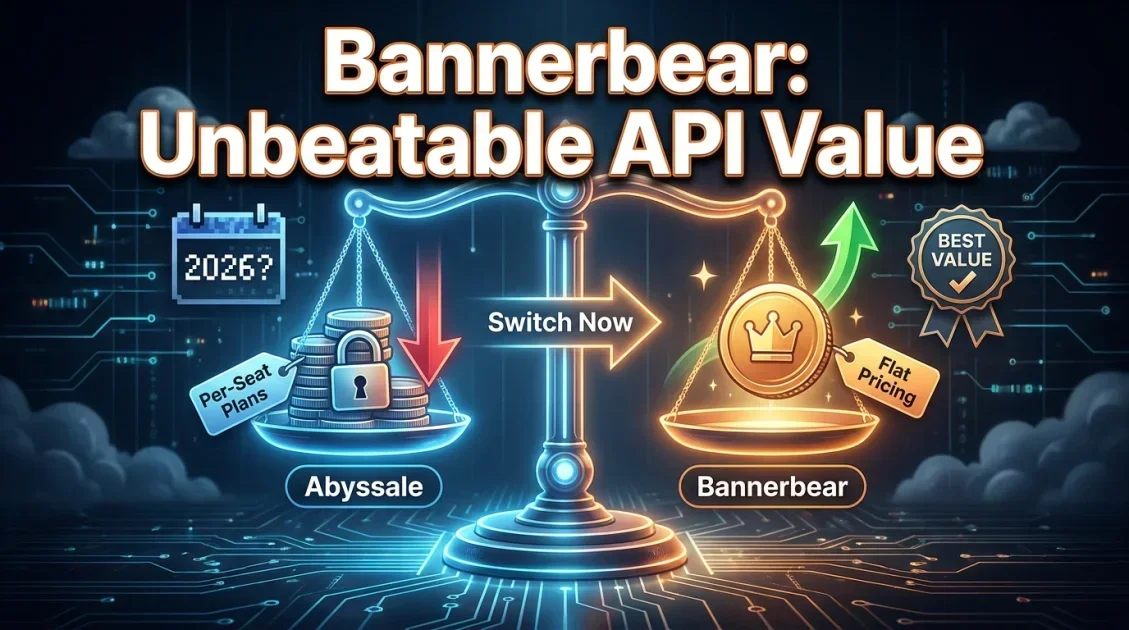
If you are searching for an Abyssale alternative, the short answer is Bannerbear. Abyssale prices its plans per seat, starting at $15 per user on the Start plan and jumping to $45 per seat once you need API access. Bannerbear charges one flat fee per account, from $49 a month for 1,000 image credits, no matter how many people on your team use it. For small teams or solo developers who need API-driven image automation without paying more as headcount grows, that difference alone can make Bannerbear the better fit. Below, we break down pricing, features, and the tradeoffs so you can decide for your own workflow.
In this article
- Why teams look for an Abyssale alternative
- Bannerbear vs Abyssale: quick comparison
- How the pricing actually compares
- Where Bannerbear pulls ahead
- Where Abyssale still wins
- What this looks like in practice
- Is Bannerbear the right fit for you?
- How to migrate from Abyssale to Bannerbear
- Final verdict
- FAQ
Why Are Teams Looking for an Abyssale Alternative?
Abyssale is a capable creative automation platform, and plenty of teams are happy with it. But two things send people searching for alternatives. First, the per-seat pricing model means costs climb every time you add a team member, which stings for small marketing or dev teams that only need one or two people generating images through the API. Second, Abyssale bills AI features like background removal and auto-translation as separate AI credits on top of your plan, at $0.10 each, which makes total monthly cost harder to predict.
If your use case is mostly programmatic, meaning you are calling an API to generate product images, social banners, or OG images automatically rather than having a creative team log into a design tool, a flat-rate, API-first tool like Bannerbear often ends up cheaper and simpler to budget for.
There is also a workflow difference worth naming. Abyssale was built around a shared editor where designers and marketers collaborate on a template before anyone touches the API. Bannerbear assumes the opposite starting point: a developer builds the template once, wires it into an app or automation tool, and the rest of the team never opens an editor again. Neither approach is wrong, but if your team already skews technical, paying for seats you will not use in a collaborative editor is a real cost with no return.
Bannerbear vs Abyssale: Quick Comparison
Here is how the two platforms stack up on the factors that matter most when you are choosing between them.
| Factor | Bannerbear | Abyssale |
|---|---|---|
| Starting price | $49/month flat, 1,000 credits | $15/seat/month, Start plan |
| API access included from | Entry plan | Pro plan, $45/seat/month |
| Free tier | 30-credit trial, no card required | Trial only, no permanent free tier |
| Video support | Text and image overlays on video | GIF/MP4 output on Pro and above |
| AI features | Face detection included | Background removal, translation, billed separately |
| SDKs | Ruby, Node.js, PHP | REST API, no published SDKs |
| Best for | Developers, small teams, API-heavy workflows | Larger creative teams needing collaboration and HTML5 ads |
How Does Bannerbear's Pricing Compare to Abyssale, in Practice?
The gap shows up clearly once you put real numbers next to it. Abyssale's Pro plan, the tier where API access unlocks, costs $45 per seat per month. A three-person team on that plan pays $135 a month before any AI credits are used. Bannerbear charges $49 a month total, regardless of how many people on your team log in to build templates or trigger the API, because it counts usage in image and video credits, not seats.
That said, the math flips for solo, design-heavy users who mostly want a visual editor rather than an API. Abyssale's $15 Start plan undercuts Bannerbear if you never need programmatic generation. The deciding question is simple: are you paying for people, or are you paying for output?

Flat-rate API pricing for image and video generation, no per-seat charges.
Where Does Bannerbear Pull Ahead on Features?
A few things stand out once you get past pricing. Bannerbear ships official SDKs for Ruby, Node.js, and PHP, so developers can integrate without writing raw HTTP calls by hand. It also includes AI-assisted face detection at no extra cost, useful for auto-positioning photos in personalized banners. Choose between synchronous and asynchronous API calls depending on whether your workflow needs an instant response or can wait for a webhook.
Bannerbear also connects natively to Zapier, Airtable, Make, n8n, and Google Sheets, which covers most no-code automation needs without custom development. If your team already lives in spreadsheets or Airtable bases, triggering image generation from a row update is straightforward.
Where Does Abyssale Still Win?
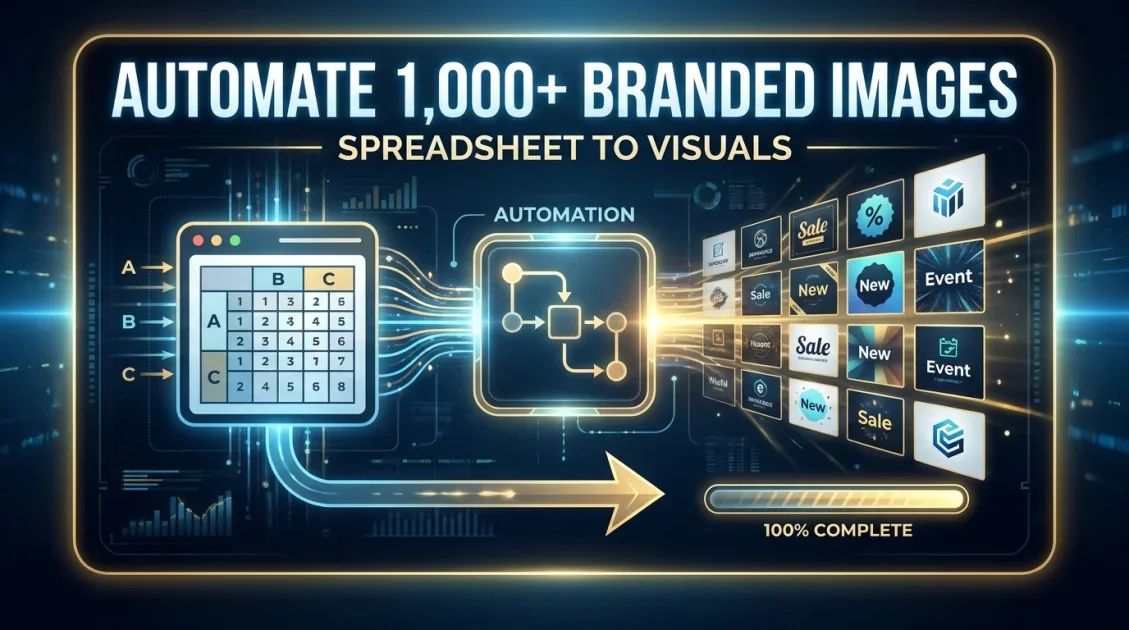
To be fair, Abyssale has real strengths that Bannerbear does not match. Its spreadsheet generation tool lets non-technical marketers bulk-produce hundreds of variations without touching an API. The Suite plan adds HTML5 ad output with ad-network compliance, a format Bannerbear does not support. Abyssale's editor also supports real-time collaboration and approval workflows, which matters for agencies or larger creative teams where multiple people review assets before publishing.
If your team needs a shared visual editor more than an API, or you specifically need compliant HTML5 banner ads, Abyssale is worth keeping on your shortlist alongside Bannerbear.
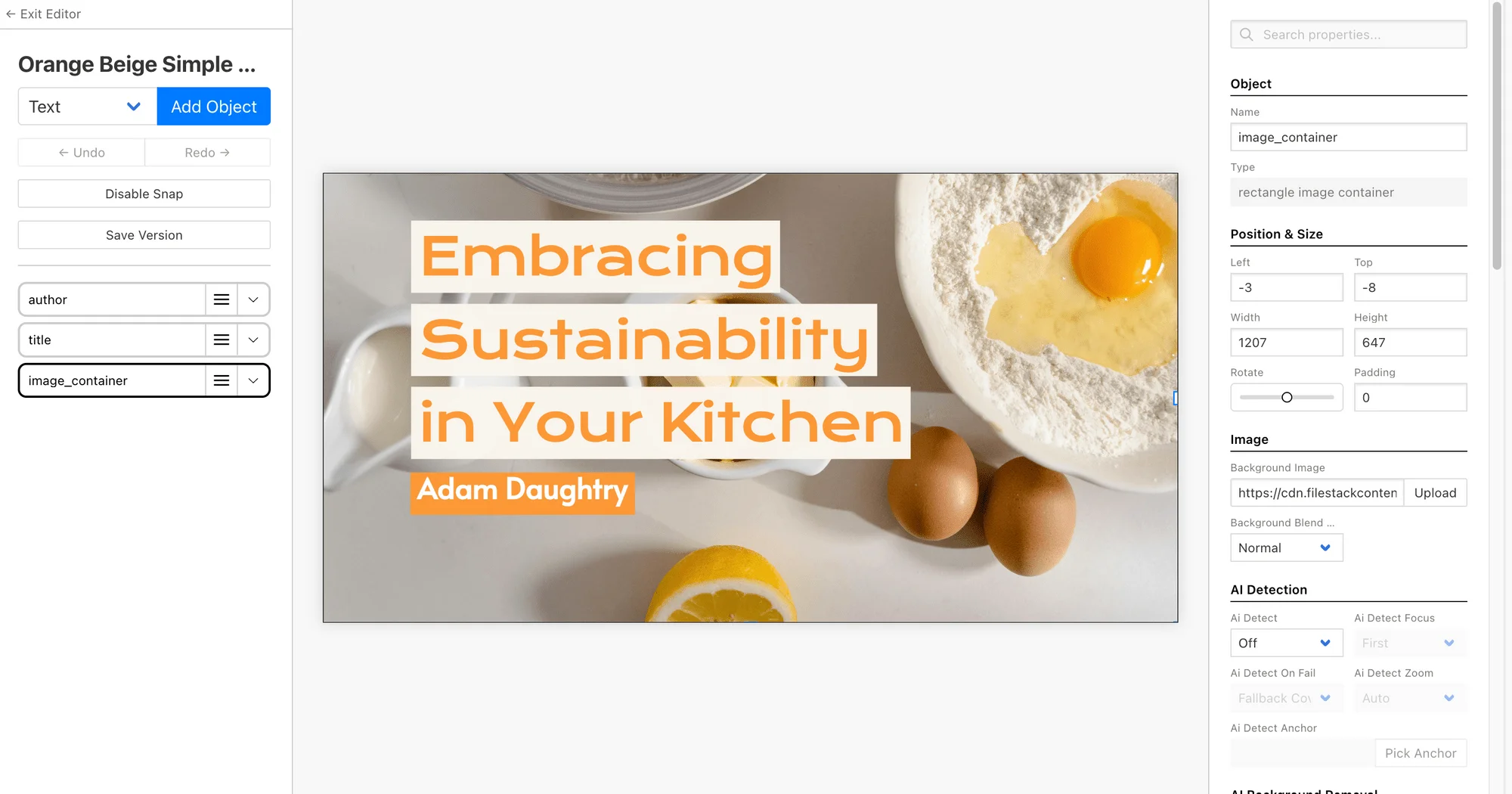
Design a template once, then generate unlimited variations through the API.
What Do These Differences Look Like in Practice?
An ecommerce store generating thousands of product banners from a spreadsheet feed usually cares about one thing: cost per image at volume. On Bannerbear's flat plans, that cost drops as usage grows within a tier, with no seat multiplier if a second developer needs access to debug the integration. The same store on Abyssale would need to weigh whether the spreadsheet generation tool, which is genuinely strong for this exact use case, justifies the per-seat cost of the Pro plan.
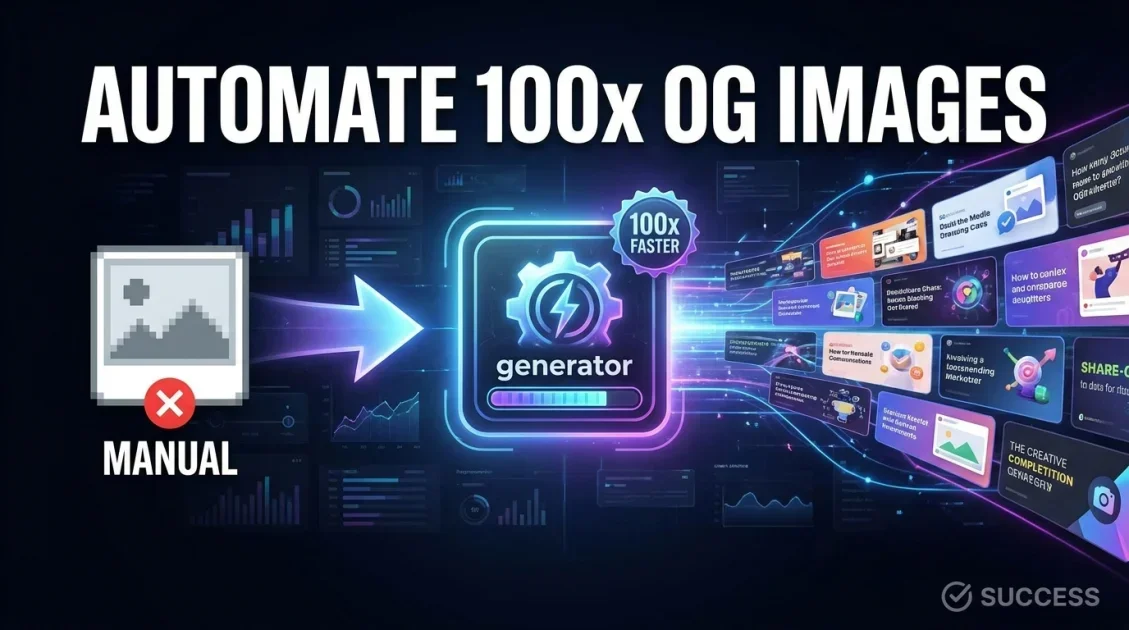
A SaaS company auto-generating personalized Open Graph images for every blog post is a closer fit for Bannerbear specifically. The workflow is fully automated end to end: a new post triggers a webhook, Bannerbear renders the image with the post title and featured image, and the result gets attached before publishing. No one on the team needs to log into a design tool at all, which means Abyssale's collaborative editor adds cost without adding value here.
A marketing agency producing HTML5 display ads for multiple clients, on the other hand, is closer to Abyssale's ideal customer. Ad-network compliance and the Suite-tier features are not something Bannerbear offers, so agencies in that specific niche should stick with Abyssale regardless of seat pricing.
Is Bannerbear the Right Fit for Your Team?
Pros
- Flat pricing regardless of team size
- Official SDKs for Ruby, Node.js, and PHP
- Built-in face detection and auto text resizing
- Native integrations with Zapier, Airtable, Make, and n8n
- Free trial with no credit card required
Cons
- No permanent free tier
- Video features are limited to overlays, not full animation
- No built-in stock photo library
- No shareable public form links for non-technical teammates
Best for: Developers and small marketing teams automating image generation through an API, especially at a fixed monthly cost.
Not ideal for: Larger creative teams that need a shared visual editor, approval workflows, or compliant HTML5 ad formats.
How Do You Migrate from Abyssale to Bannerbear?
Switching platforms is more manageable than it sounds if you follow a clear order.
- Start a free Bannerbear trial. You get 30 credits with no card required, enough to rebuild and test a template.
- Recreate your templates. Bannerbear's editor uses layers similar to Abyssale, so most designs translate directly, though you will rebuild them by hand since there is no automatic import tool.
- Swap your API calls. Update your integration to Bannerbear's REST API or one of its SDKs. If you were using Zapier or Make with Abyssale, the same automation platforms connect to Bannerbear.
- Test at low volume first. Run your workflow against the free trial credits before committing to a paid plan, to confirm output matches what you expect.
- Cancel Abyssale once verified. Keep both running in parallel for a billing cycle if your workflow is critical, to avoid downtime.
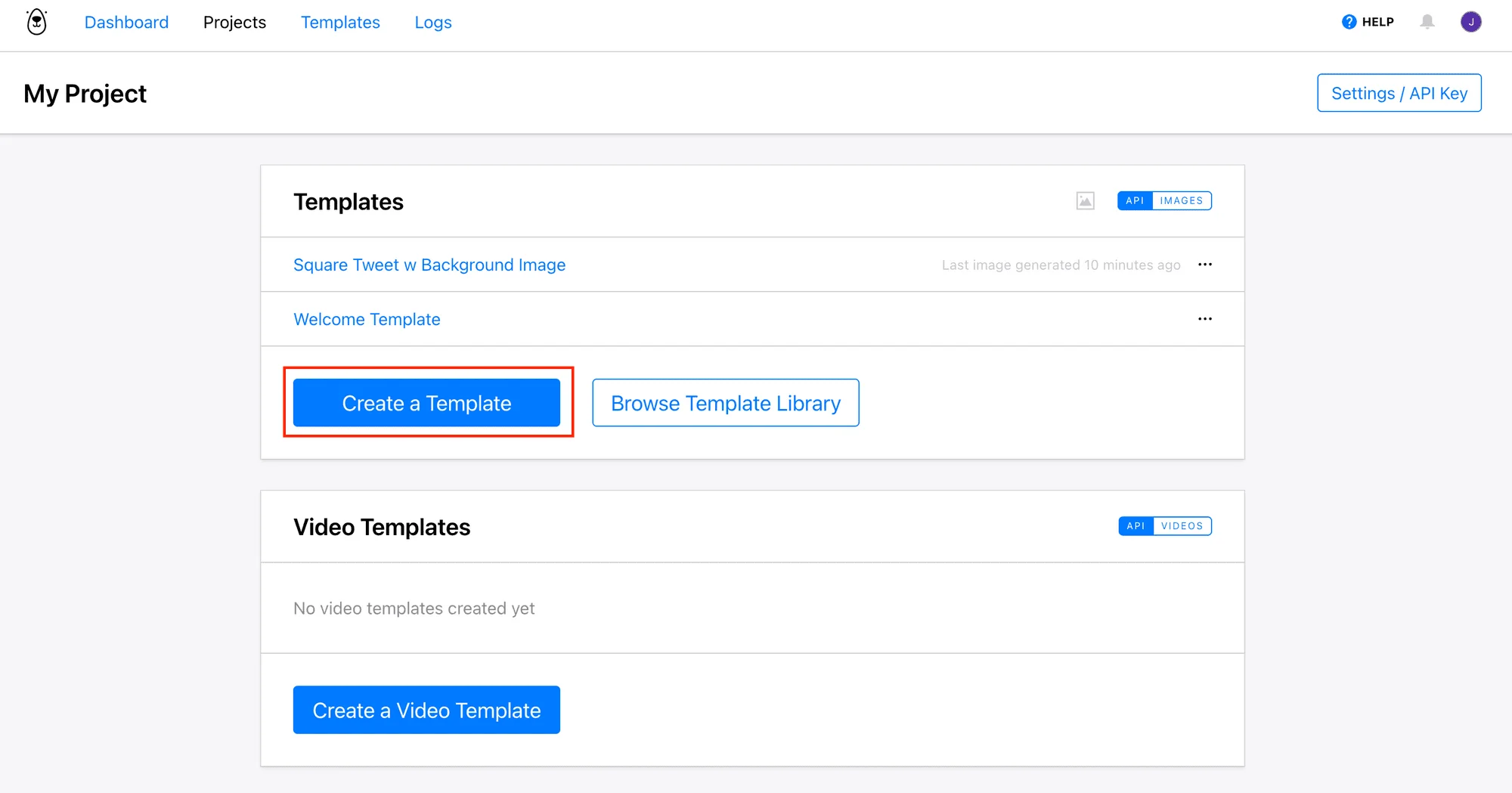
Manage templates, images, and API keys in one dashboard.
Final Verdict
Who should use Bannerbear instead of Abyssale?
Developers and small teams who need API-driven image or video generation at a predictable, flat monthly cost. If you are paying Abyssale per seat just to get API access, Bannerbear likely saves you money the moment your team grows past one or two people. If instead you need a shared visual editor, spreadsheet-based bulk generation for non-technical staff, or HTML5 ad compliance, Abyssale remains the stronger choice.
Overall Rating: 4.3/5 for API-first teams evaluating an Abyssale alternative
Frequently Asked Questions
Is Bannerbear cheaper than Abyssale?
It depends on team size. For a single user, Abyssale's $15 Start plan is cheaper, but it does not include API access. Once you need the API, Abyssale's Pro plan is $45 per seat, so any team of two or more will likely pay more than Bannerbear's flat $49 monthly rate.
Does Bannerbear have a free plan?
Bannerbear offers a 30-credit free trial with no credit card required, but there is no permanent free tier. Abyssale also only offers a trial, not an ongoing free plan.
Can I import my Abyssale templates into Bannerbear?
There is no automatic import tool between the two platforms. You will need to rebuild templates manually in Bannerbear's editor, which typically takes less time than the original build since you already know the layout and copy.
Does Bannerbear support video like Abyssale does?
Bannerbear supports video generation with text and image overlays, but not full animation or transitions. Abyssale's Pro and Suite plans add GIF and MP4 output with more design flexibility. If video is your primary use case, test both before committing.
Which tool is better for non-technical marketers?
Abyssale's spreadsheet generation and form-based interface are built for non-technical users to generate assets without writing code. Bannerbear is more developer-oriented, though its Zapier and Airtable integrations let non-technical teams trigger generation without an API key.
Does Bannerbear support HTML5 ad formats like Abyssale's Suite plan?
No. Bannerbear focuses on static and near-static images and short video overlays. If ad-network-compliant HTML5 banners are a core requirement, Abyssale's Suite plan is currently the better option.
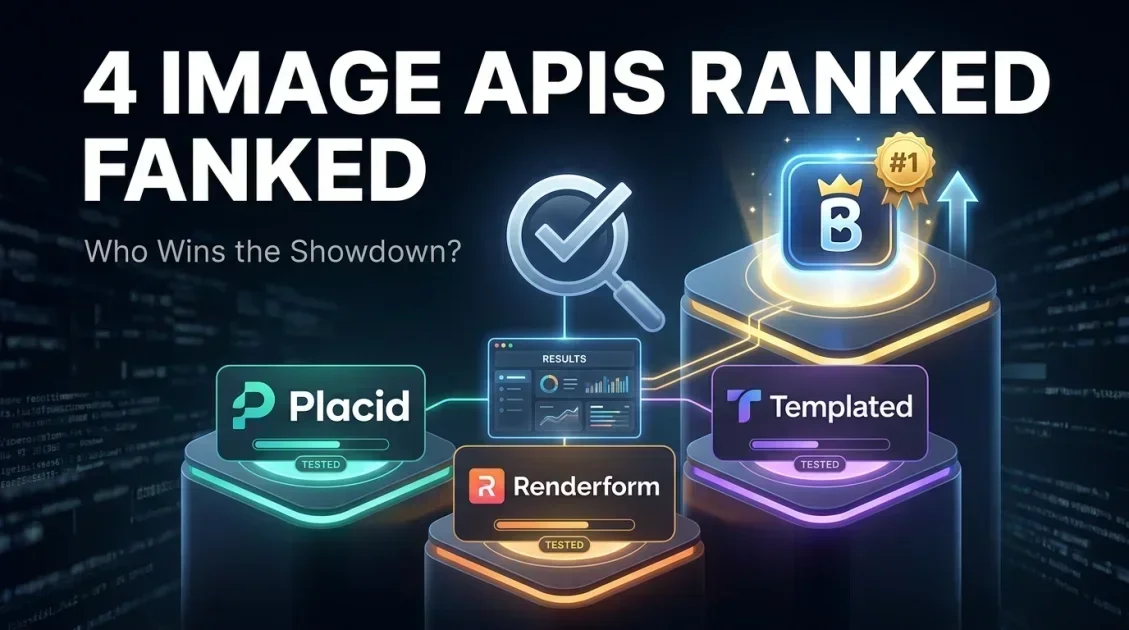
If you are still comparing options, our full Bannerbear review covers pricing tiers and use cases in more depth, and our comparison against Placid, Renderform, and Templated is a useful next read if HTML5 ads and video are not a priority for you.
Ready to Try a Flat-Rate Abyssale Alternative?
Start generating images and videos through Bannerbear's API today, no credit card required for your first 30 credits.
Start Free Trial →No credit card required for the free trial.

Comments (0)
Leave a Comment