
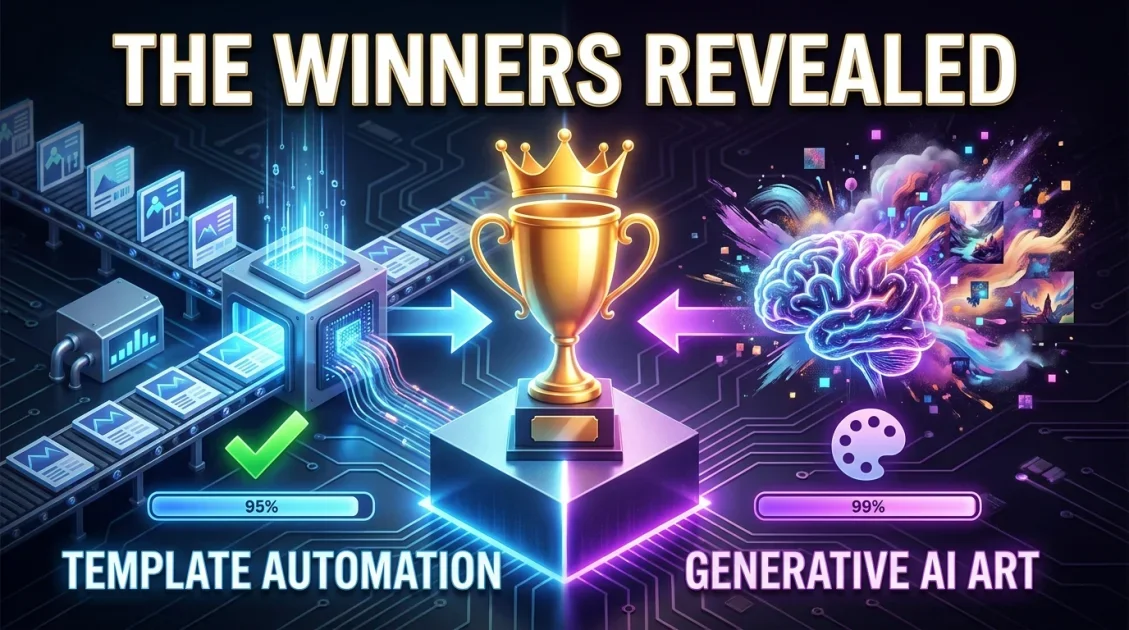
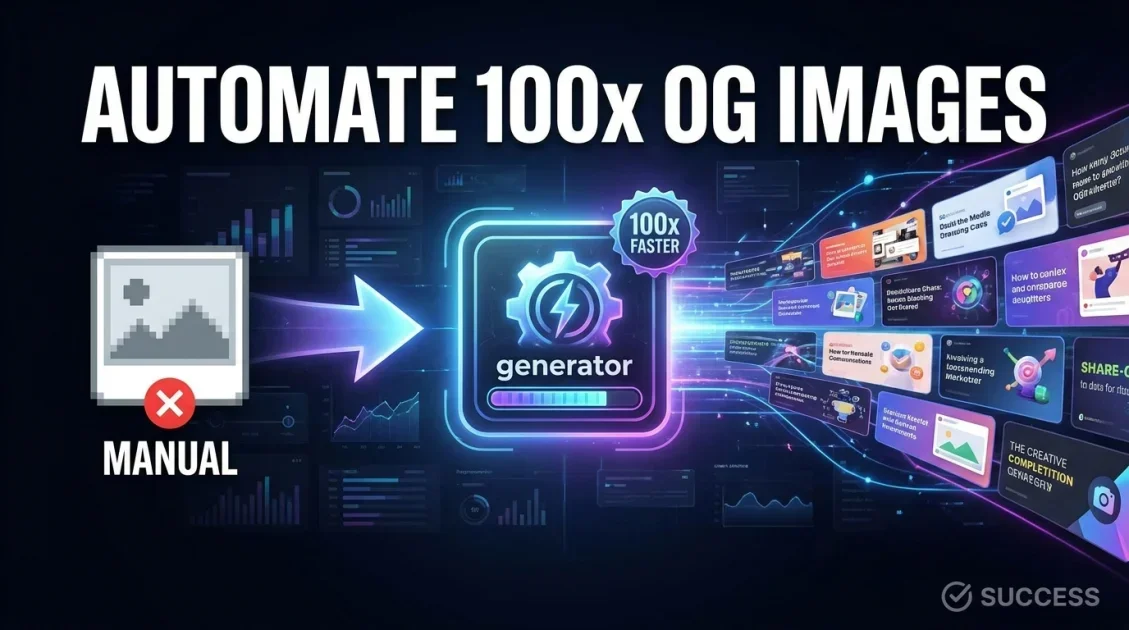
Bannerbear and tools like Midjourney or DALL-E solve fundamentally different problems, so the better choice depends on what you're trying to produce. Bannerbear is a template-based image and video generation API built for consistent, on-brand marketing assets at scale, like banners and product images. Midjourney and DALL-E are generative AI models that create original artwork from a text prompt, better suited to concept art and one-off creative visuals than repeatable, branded campaign output. Many teams end up using both: a generative model for raw imagery, and Bannerbear to turn that into a consistent, branded final asset.
In this article
- Is Bannerbear an AI tool?
- Template-based vs generative AI image tools
- Bannerbear vs Midjourney
- Bannerbear vs DALL-E
- Comparison table
- When to use each (or both)
- FAQ
Is Bannerbear an AI tool?
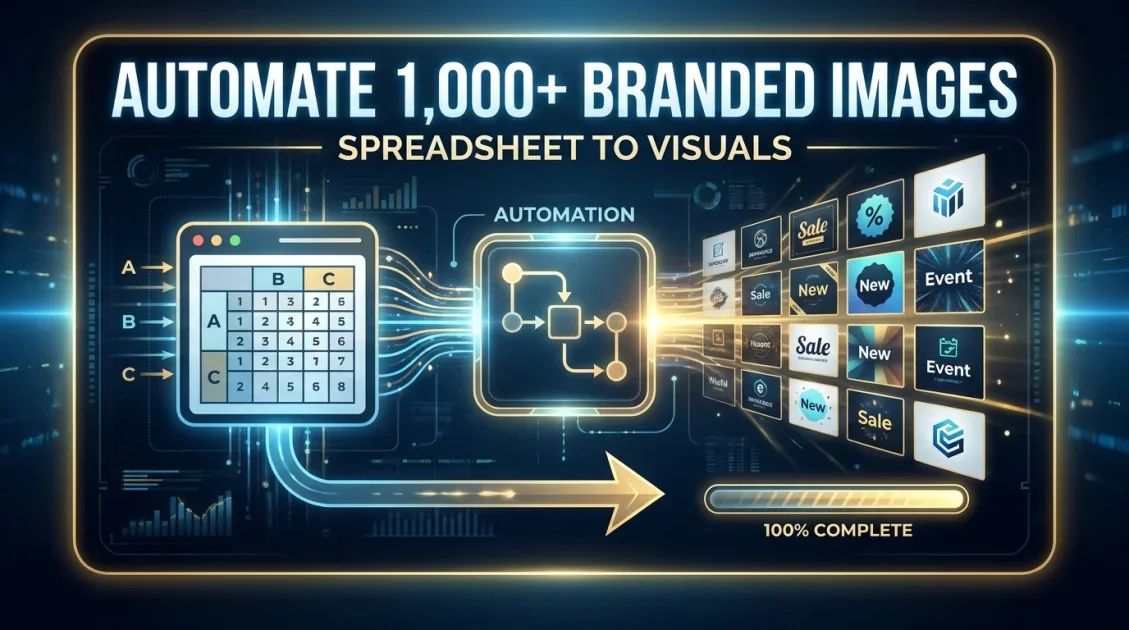
Not in the generative sense. Bannerbear doesn't create new artwork from a text prompt the way Midjourney or DALL-E do. Instead, it fills in a predesigned template with dynamic data through an API, which guarantees consistent branding across every output. Some workflows combine the two: an AI model generates a background or illustration, which is then dropped into a Bannerbear template alongside text and branding elements.
Template-based vs generative AI image tools
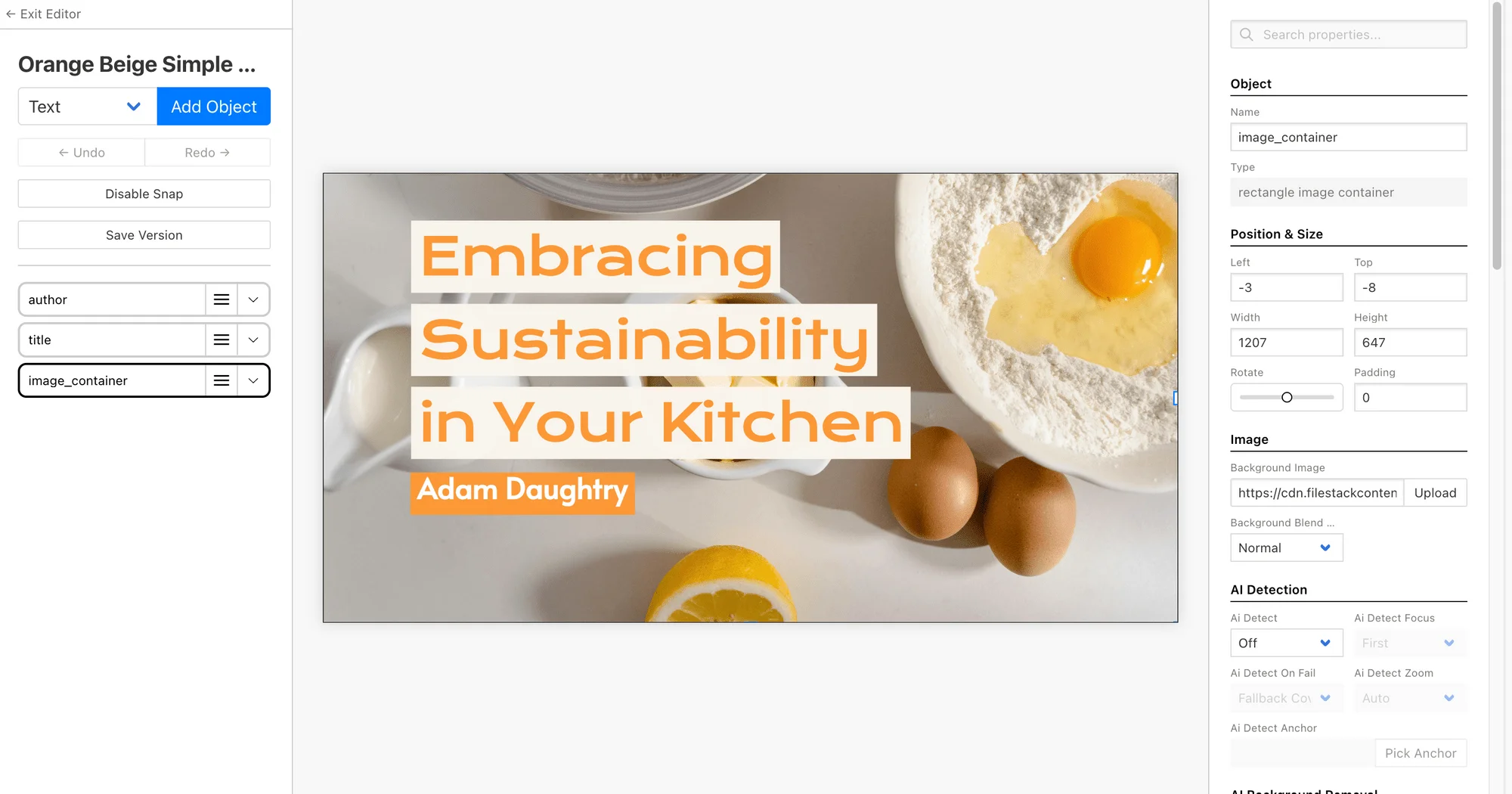
A template-based tool like Bannerbear starts from a fixed layout you design once. Every subsequent image is a variation on that same layout, with only specific fields (text, photos, colors) changing. This guarantees visual consistency but doesn't produce anything outside the template's structure.
A generative AI tool like Midjourney or DALL-E starts from nothing but a text description. It can produce a wide range of original visual styles, but two prompts describing the same concept will rarely produce visually consistent results, which makes generative tools a poor fit for repeatable, on-brand campaign assets.
Bannerbear vs Midjourney
Midjourney is a generative AI model known for producing highly stylized, artistic images from text prompts, commonly used for concept art, illustrations, and creative exploration. It excels when the goal is a unique, original visual, but it isn't built for API-driven automation at marketing scale, and getting a specific, on-brand result reliably from a prompt can take multiple attempts.
Bannerbear is built for the opposite use case: once a template is set, every output matches your brand exactly, and generation happens through a direct API call rather than iterative prompting. If your goal is a recognizable, consistent look across hundreds of product banners or social graphics, Bannerbear is the more practical tool. If your goal is original concept art, Midjourney is the stronger fit.
Bannerbear vs DALL-E
DALL-E, OpenAI's generative image model, works similarly to Midjourney in that it creates original images from text prompts, with tighter integration into the broader OpenAI ecosystem. Like Midjourney, it's well suited to generating novel imagery but doesn't guarantee the layout or branding consistency that a marketing campaign typically needs.
Bannerbear's template-first approach means the same headline, logo placement, and color scheme appear in every generated image, which is difficult to guarantee with a prompt-based generative model. Teams that need original background art can still use DALL-E to produce that art, then bring it into a Bannerbear template for the final branded output.
Comparison table
| Tool | Type | Best for | Brand consistency | API-driven bulk output |
|---|---|---|---|---|
| Bannerbear | Template-based | Marketing automation at scale | High | Yes |
| Midjourney | Generative AI | Original concept art and illustration | Low | No |
| DALL-E | Generative AI | Original imagery via text prompts | Low | Limited |
When to use each (or both)
Use Bannerbear when the priority is repeatable, on-brand output across a high volume of images or videos, such as product banners, social graphics, or personalized ad creative. Use Midjourney or DALL-E when the priority is original, unique artwork rather than consistency. Many teams get the best of both by generating raw imagery with a generative AI tool, then feeding it into a Bannerbear template to add consistent branding, text, and layout before publishing.
Final verdict
Who should use Bannerbear over Midjourney or DALL-E?
Marketing, growth, and product teams that need consistent, branded images or videos at scale should choose Bannerbear. Teams or individuals looking for original, artistic imagery without the need for brand consistency will get more value from Midjourney or DALL-E.
Overall rating: 4.5 out of 5
Frequently asked questions
Is Bannerbear an AI tool?
Not in the generative sense. Bannerbear fills in a predesigned template with dynamic data rather than generating original artwork from a text prompt, which is what distinguishes it from tools like Midjourney and DALL-E.
Can I use Midjourney or DALL-E images inside Bannerbear?
Yes. A common workflow is generating raw artwork or backgrounds with a generative AI tool, then using that image as a dynamic field inside a Bannerbear template to add consistent branding, text, and layout.
Which is better for marketing campaigns, Bannerbear or Midjourney?
Bannerbear is generally the better fit for marketing campaigns because it guarantees consistent, on-brand output across every generated image. Midjourney is stronger for one-off, original creative work where consistency across multiple outputs isn't the goal.
Does Bannerbear replace the need for a generative AI tool?
No. They serve different purposes. Bannerbear automates the assembly of consistent, branded images, while generative AI tools like Midjourney and DALL-E create original artwork. Many workflows use both together.
Ready to automate your branded image workflow?
Set up a template once and let Bannerbear handle every banner, social card, and product image after that.
Try Bannerbear free →No credit card required to start.
Comments (0)
Leave a Comment